
Blog/Home security
How to Avoid Getting Locked Out of Your House: Simple Tips From a Locksmith
The habit behind most home lockouts I see, how keypads and spare keys really help, and a lockout in Richardson that happened without anyone touching the lock.
- Never lock the knob from inside and then close the door
- Keypad lock: set codes you remember, and keep the lower lock unlocked
- Spare key: with someone you really trust, or hidden somewhere smart
- Locked out anyway? Call us, we come to you
We offer 24/7 emergency locksmith service, and we confirm the price before any work starts.
Most home lockouts don’t happen because something broke. They happen because of a habit, a second of distraction, or a door that does something you didn’t expect. Here’s what I tell my customers so they don’t have to call me again.
Never lock the door from inside and then close it
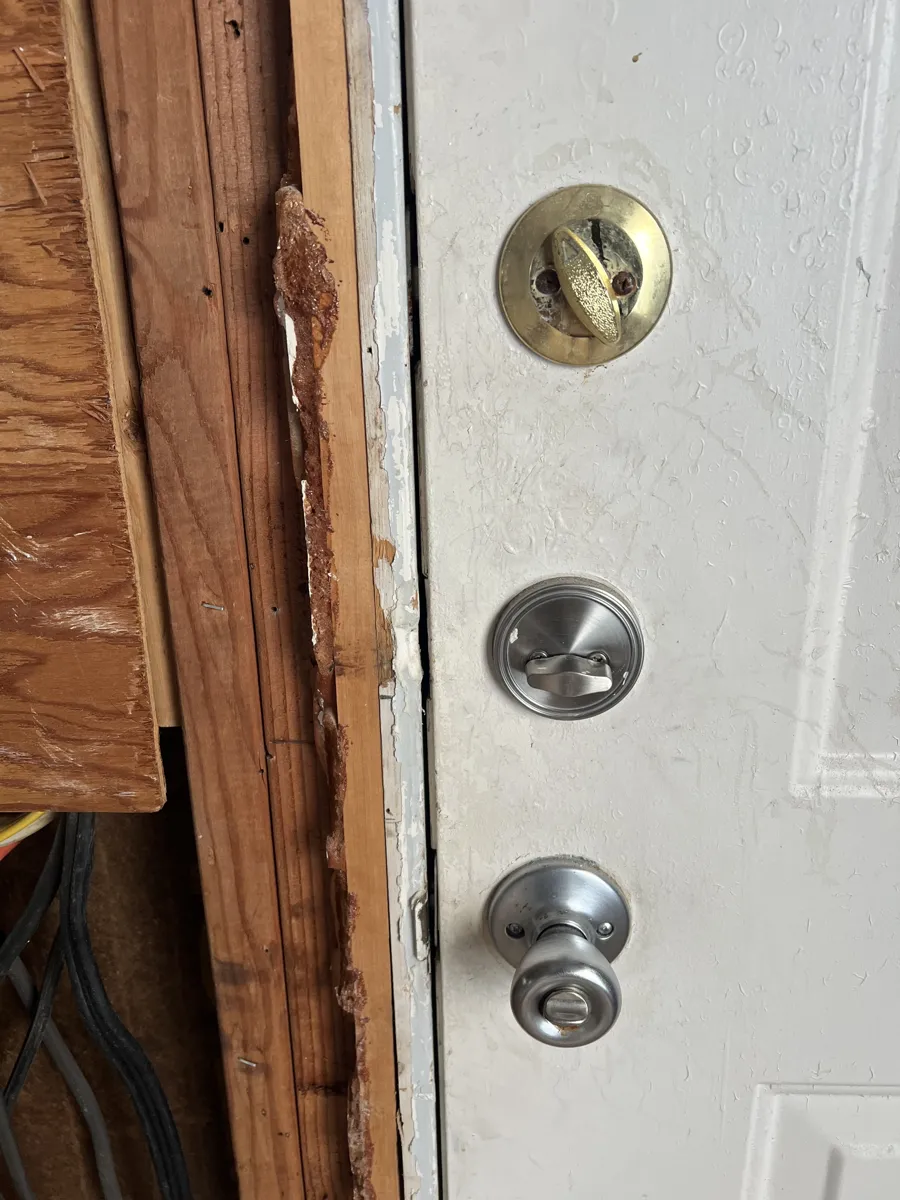
This is the number one cause of home lockouts I see. Many door knobs have a button or a thumb turn on the inside. You twist it, step outside, close the door, and the door is already locked behind you.
It happens a lot. People do it out of habit, and only after the door clicks shut do they remember their keys are still inside. My advice: never lock the knob from inside and then close the door. Lock it from outside, with the key in your hand.

A keypad lock is a great idea, with one catch
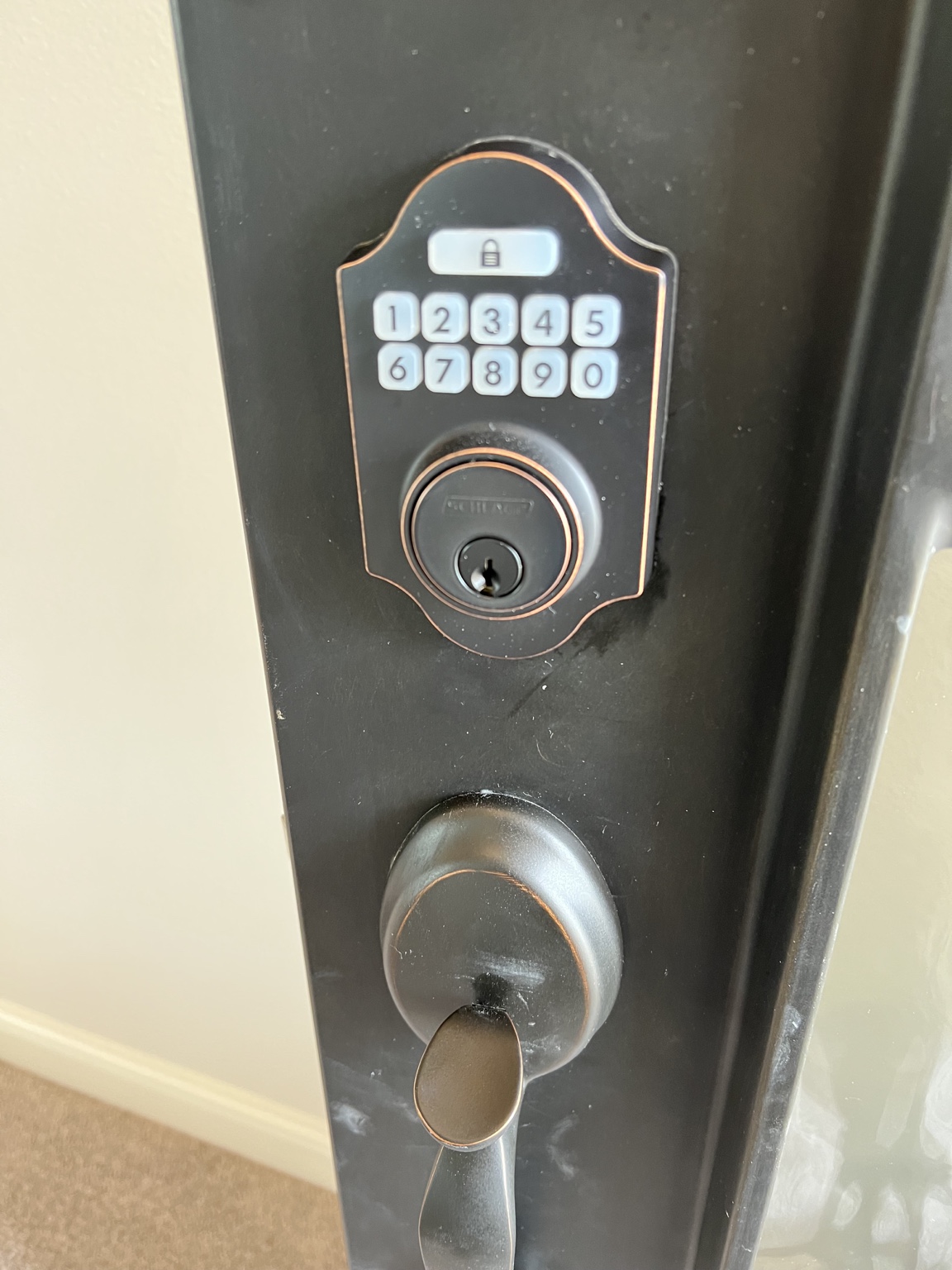
A keypad deadbolt is one of the best ways to stop worrying about keys. Set two codes, or even more, using combinations you’ll always remember. Then you don’t need a key to get back in.
The catch: make sure the lower lock, the knob or handle, isn’t locked. If it is, you’re in the same situation as before. The keypad opens the deadbolt, but the knob below is still locked and you’re still outside.
Give a spare key to someone you really trust
Leaving a spare key with a neighbor, a friend or a family member is a great idea. But only with someone you really, really trust. A spare key is full access to your home.
Hide a spare key, but not where everyone looks
I also recommend hiding a spare key outside your house, in a place only you know. Just don’t make it too obvious. Other people know that homeowners sometimes hide keys outside for emergencies like this, so they know where to look too.
Under the doormat, in the mailbox or under the fake rock by the door are the first places anyone checks. Think outside the box, and don’t be too predictable. Hide it well.
A lockout nobody saw coming in Richardson
A customer in Richardson went out through the garage door to take the trash out to the bins on his driveway. When he opened the door, without noticing, the inside of the lock hit the wall. Somehow that turned the thumb turn on the inside and locked the door.
When he came back to go inside, he was locked out. He could swear he never touched the lock, and he was right. He didn’t. We came quickly and opened the door without any damage. I explained that he probably opened the door hard, the lock hit the wall and it locked itself. He laughed, understood what had happened, and promised to be more careful.
If your door swings into a wall, a simple door stop can keep the lock from hitting it.
Locked out anyway?
Even with the best habits, it happens. When it does, don’t try to force the door or break a window. Call us. We offer 24/7 emergency locksmith service across Dallas-Fort Worth, and we confirm the price with you before any work starts.
See our home locksmith services, or home lockouts and rekeying in Dallas.
Common questions
What is the most common cause of home lockouts?
Locking the knob or thumb turn from inside and then closing the door with the keys still inside. Lock the door from outside, with the key in your hand.
Do keypad locks prevent lockouts?
They help a lot, as long as the lower lock, the knob or handle, isn’t locked. If it is, the keypad opens the deadbolt but you’re still locked out.
Where should I hide a spare key?
Somewhere only you know, and not in the obvious places like under the doormat or in the mailbox. Or leave a spare with someone you really trust.
Can a door lock itself?
It can happen. If the inside of the lock hits a wall when the door swings open, it can turn the thumb turn and lock the door. A door stop can prevent it.